 ThePortionLab
Portion Awareness & Nutritional Physiology
Educational resource exploring the physiological mechanisms of portion perception, satiety signaling, and how the body processes nutritional intake. Evidence-based explanations of portion-related concepts without behavioral guidance.
Educational content only. No promises of outcomes.
Explore the Science
Gastric Distension & Satiety Signals
Understanding how the stomach processes volume and initiates neural signals for satiety
Physiological Foundation
The stomach's capacity to detect and respond to volume is a fundamental mechanism in nutritional physiology. When food enters the stomach, specialized stretch receptors in the gastric wall measure distension—the physical expansion of the stomach. This mechanical signal is crucial to how the body perceives portion size at the neurological level.
The vagus nerve transmits information about gastric distension to the brain's satiety centers, particularly the hypothalamus. This neural pathway represents one of the most immediate feedback loops in appetite regulation. The speed and magnitude of this signal depend on several factors including food type, portion geometry, and consumption rate.
Research indicates that approximately 1-2 liters of gastric volume triggers prominent satiety signaling in most individuals. However, this varies based on individual physiological differences, adaptation patterns, and the composition of the food consumed.
Read the detailed scientific explanation
Visual Portion Perception Mechanisms
How visual cues influence intake estimation and portion recognition
Neural Visual Processing
The visual system plays a significant role in portion estimation before food enters the stomach. Research in nutritional psychology demonstrates that visual cues—including plate size, food arrangement, and portion geometry—influence perception of portion magnitude. The brain processes visual information about food quantity and uses this data to predict satiety outcomes.
Contrast effects in plate design and food color can alter perception of portion size. A standard plate with high-contrast food against the plate surface may appear smaller or larger depending on the specific visual arrangement. This is a descriptive observation of visual perception, not a behavioral recommendation.
The prefrontal cortex evaluates visual cues and correlates them with previous eating experiences, creating mental models of portion adequacy. This integration of visual and contextual information occurs before and during consumption.
Explore this concept further
Portion Geometry & Digestion Pace
How food shape and structural arrangement affect digestive processing
Structural Factors in Gastric Processing
The physical shape and surface area of food influences how quickly it moves through the stomach and intestines. Larger, more cohesive portions create different compression patterns within the stomach compared to smaller, fragmented portions. This is a mechanical property of gastric function.
Food particle size, consistency, and arrangement affect the rate at which the stomach mixes and propels food into the small intestine. This process, called gastric emptying, is regulated by gastric hormones and neural signals. The geometry of the original portion influences these parameters.
Research on portion shape demonstrates that the same weight of food arranged differently can travel through the digestive tract at different rates. Starch-rich foods, proteins, and fats each have distinct gastric emptying patterns that relate to their molecular structure.
Continue with the full overview
Macronutrient Composition & Satisfaction
How protein, fat, and carbohydrates influence portion-related satisfaction mechanisms
Nutritional Biochemistry of Satiety
Different macronutrients activate distinct physiological satiety pathways. Protein intake triggers cholecystokinin (CCK) release from the small intestine, enhancing satiety signals. Fats activate similar but more prolonged satiety mechanisms through gastric lipid sensors. Carbohydrates influence glucose-dependent insulinotropic peptide (GIP) and glucagon-like peptide-1 (GLP-1), affecting perceived fullness.
The thermic effect of food—the energy required to digest different nutrients—varies by macronutrient type. Protein requires approximately 20-30% of its calories for digestion, while carbohydrates require 5-10% and fats require 0-3%. This metabolic distinction has direct implications for how portions of different compositions are processed.
Mixed macronutrient portions activate multiple satiety pathways simultaneously, creating a cumulative signal to the central nervous system. The proportion and type of macronutrients in a portion influence both the magnitude and duration of perceived satisfaction.
View related portion insights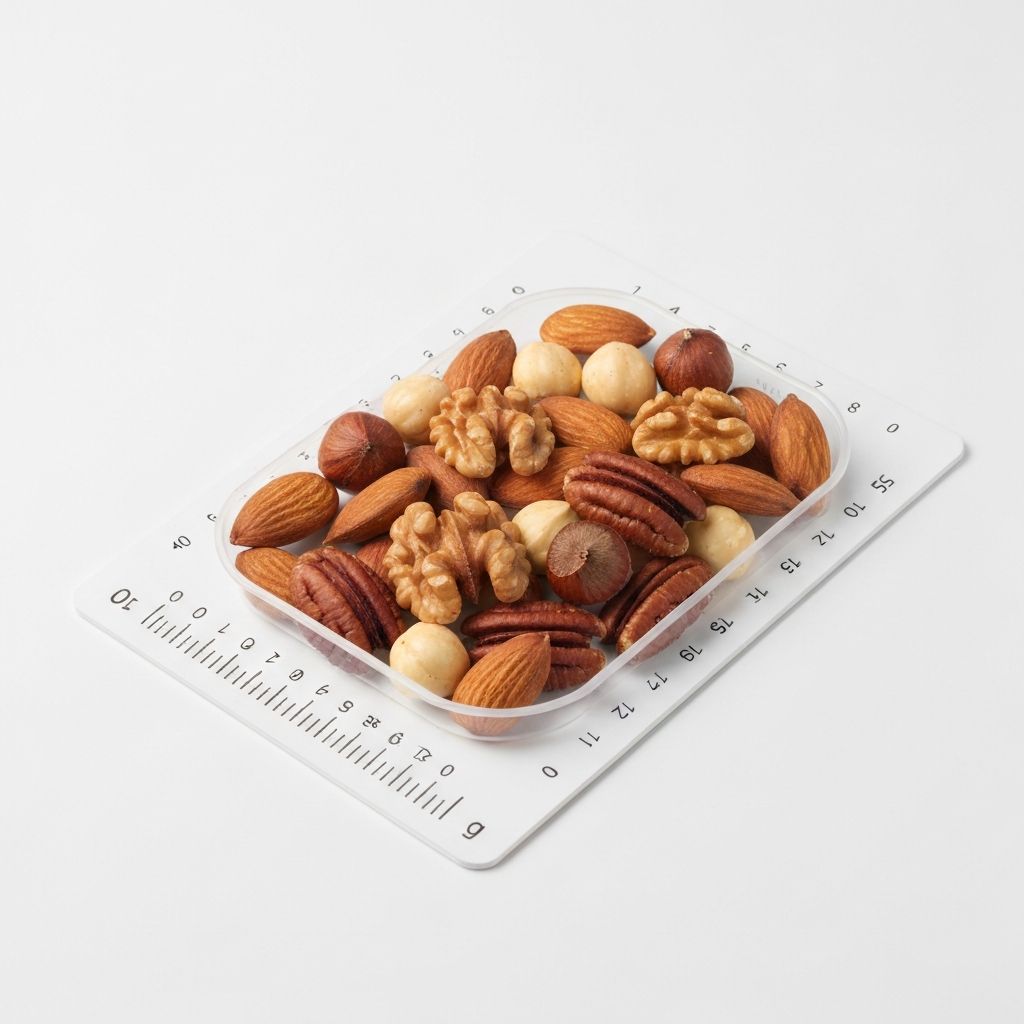
Internal Feedback Loops in Intake
Descriptive overview of portion-related satiety feedback mechanisms
Neural Integration of Portion Signals
The body maintains continuous feedback loops during and after eating. Mechanical stretch, chemical signals from macronutrients, and neural input from taste receptors all converge in the brain's appetite regulation centers. This multi-signal integration system processes information about portion size in real-time.
The hypothalamus integrates signals from the stomach, small intestine, liver, and adipose tissue to generate a comprehensive picture of nutritional status. Ghrelin from the stomach signals hunger and increases appetite, while peptide YY and other hormones signal fullness after eating. These signals directly correlate with portion size and composition.
Post-ingestive feedback occurs after food absorption, with the body adjusting future intake signals based on the metabolic response to the portion consumed. This adaptation occurs over hours and days as the body calculates caloric balance and nutrient status relative to previous portions.
Read the detailed scientific explanation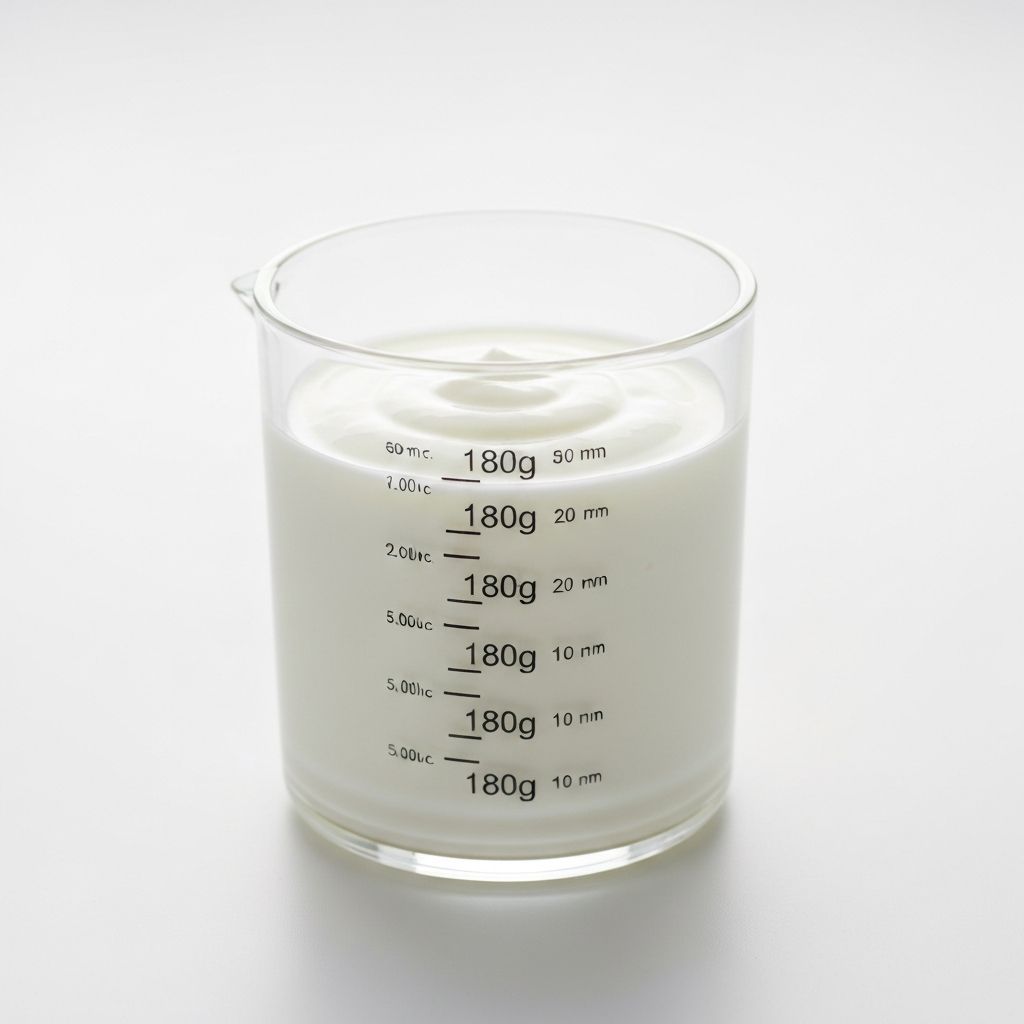
Featured Portion Insights
Explore key articles on portion awareness and nutritional physiology
Physiology of Gastric Volume & Satiety
Comprehensive exploration of how gastric distension generates satiety signals and regulates appetite at the neural level.
Explore this article →
Visual Cues in Portion Estimation
Evidence-based overview of how the brain processes visual portion information and estimates food quantity.
Explore this article →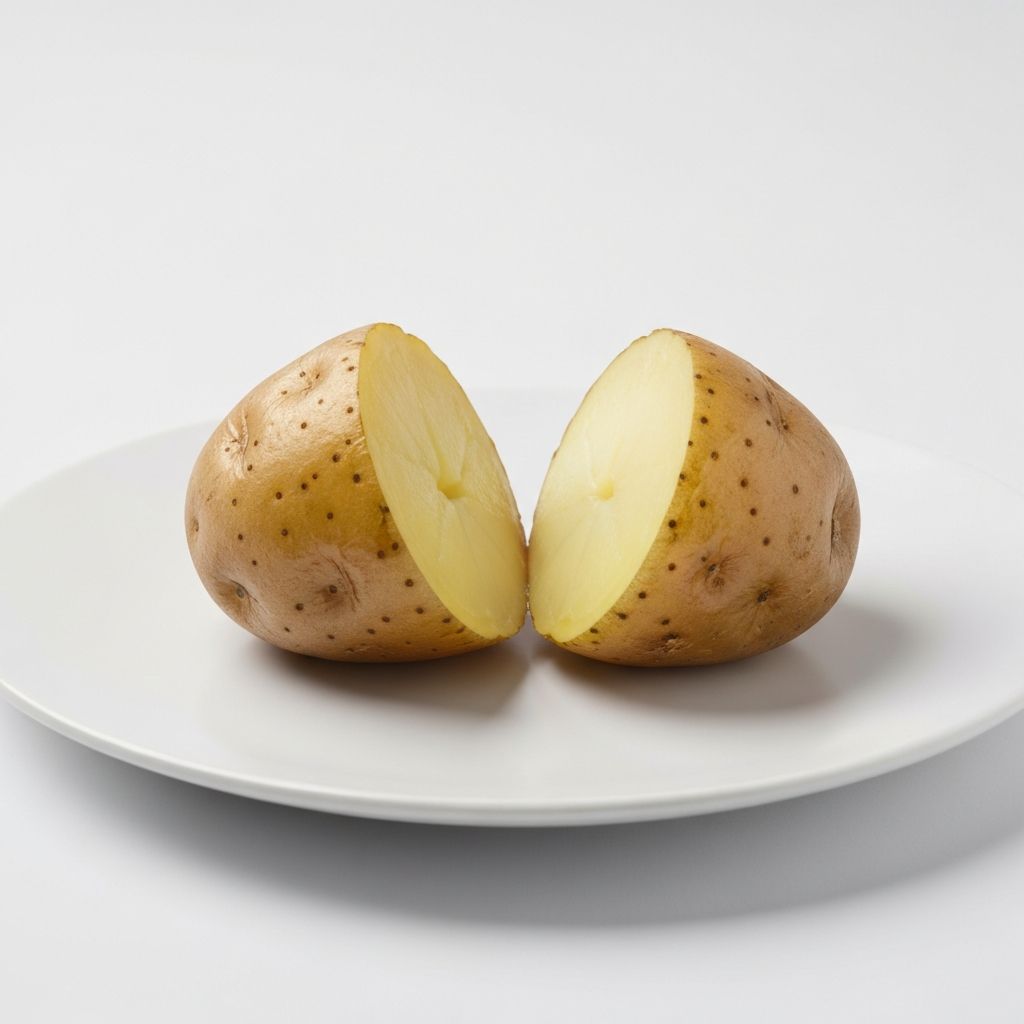
Portion Shape & Digestive Timing
Factual overview of how portion geometry influences gastric emptying and digestive processing rates.
Explore this article →Food Portion Density Facts
Informational insights on common food portions and their physiological properties
Water Content & Satiety
Foods with high water content (vegetables, fruits, soups) expand significantly in the stomach. A 200g portion of high-water vegetables creates greater gastric distension than 200g of dense starches.
Protein Density Variations
Lean proteins vary in water content. Fish and poultry contain 65-75% water, while ground meats vary 40-70% depending on fat content. This affects how a 100g protein portion expands gastric volume.
Fiber & Gastric Volume
High-fiber portions absorb water and expand in the stomach. A 50g portion of legumes with their water content creates substantially more gastric volume than 50g of refined grains.
Caloric Density Ratios
Caloric density (calories per gram) varies from approximately 0.5 kcal/g for vegetables to 9 kcal/g for oils. This explains why volume and weight of portions diverge for different food types.
Common Portion-Related Questions
Portion size directly influences gastric distension, which is one of the primary mechanical signals for satiety. Larger portions stretch the stomach more, triggering stronger signals to the brain's satiety centers. However, the relationship is not perfectly linear—individual sensitivity to distension varies, and the rate of eating affects how satiety signals develop.
Yes. A 200g portion of rice creates different gastric distension than 200g of chicken, due to water content and density differences. Additionally, the macronutrient composition affects hormonal satiety signals (protein activates CCK, fats activate different pathways). The same weight of food with different compositions produces distinct physiological responses.
Eating speed affects how quickly satiety signals develop. When food enters the stomach rapidly, distension increases quickly, but the brain's satiety centers require approximately 15-20 minutes to fully register fullness signals. Slower eating rates allow satiety signals to accumulate more gradually, potentially affecting the total amount consumed before satiety is perceived.
Individual differences in portion perception stem from genetic variations in gastrointestinal sensitivity, differences in hormone receptor expression, learned eating patterns, and adaptation to habitual portion sizes. Some individuals have naturally higher sensitivity to gastric distension signals, while others show blunted responses. Long-term eating patterns can also influence these sensitivities.
Visual cues influence initial portion estimation and consumption initiation, but actual satiety is determined by physiological signals from the consumed portion. Visual cues can affect how much food someone initially selects or serves, but post-consumption feedback loops regulate actual intake satisfaction. The brain continuously updates its portion estimates based on the actual physiological response to consumed food.
Continue Exploring Portion Science
Dive deeper into the evidence-based research on portion awareness and nutritional physiology fundamentals.
View All Articles