 ThePortionLab
Different macronutrients activate distinct physiological pathways that influence perceived portion satisfaction. This article explores how protein, fat, and carbohydrates affect satiety signals and hunger regulation.
Protein & Satiety Signaling
Protein consumption triggers robust satiety mechanisms that operate independently of portion weight. When protein reaches the small intestine, it stimulates the release of cholecystokinin (CCK), a hormone that signals fullness to the brain. CCK slows gastric emptying and enhances satiety perception, making protein-rich portions more satiating than portions with equivalent calories from other macronutrients.
Additionally, protein has a high thermic effect—approximately 20-30% of protein calories are consumed during digestion itself. This means a 100-calorie protein portion requires about 20-30 calories for the body to digest, creating measurable metabolic work.
Fat & Prolonged Satiety
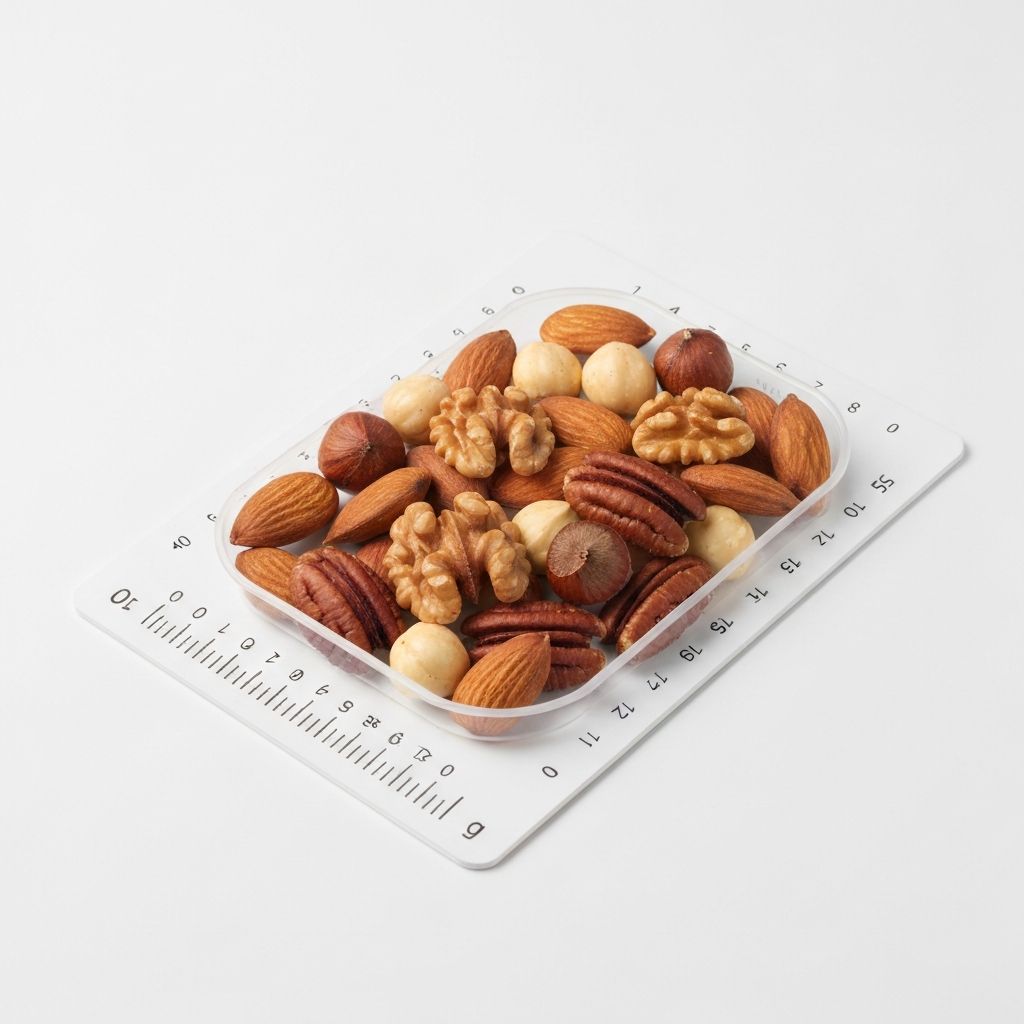
Fat creates different but equally significant satiety pathways. Dietary fat stimulates the release of GLP-1 and PYY from intestinal cells, generating satiety signals that persist longer than carbohydrate-stimulated signals. Fat-rich portions tend to produce extended feelings of fullness, with satiety lasting several hours post-consumption.
Importantly, fat slows gastric emptying significantly. High-fat portions remain in the stomach longer, maintaining mechanical distension signals and reinforcing fullness perception. The combination of hormonal signals and prolonged gastric occupancy creates extended satiety from fatty portions.
The thermic effect of fat is low (0-3% of calories), meaning most fat calories are efficiently absorbed rather than consumed during digestion.
Carbohydrates & Rapid Signaling
Carbohydrate portions generate satiety signals that develop quickly but may dissipate relatively rapidly. Simple carbohydrates trigger glucose-dependent insulinotropic peptide (GIP) and affect blood glucose rapidly, producing quick satiety responses. Complex carbohydrates (starches, fiber) produce more sustained satiety through slower glucose absorption and fiber's physical effects.
Carbohydrate portions empty from the stomach relatively quickly, meaning mechanical distension signals diminish faster than with fat-containing portions. This explains why carbohydrate-heavy portions may produce satiety that feels less persistent than fat-rich portions.
The thermic effect of carbohydrates is moderate (5-10% of calories), meaning a portion of carbohydrates requires moderate energy for digestion.
Mixed Macronutrient Portions
Most real-world portions contain multiple macronutrients simultaneously. A mixed portion activates multiple satiety pathways at once. A portion containing protein, fat, and carbohydrates generates simultaneous activation of CCK, GLP-1, PYY, and gastric distension signals, creating cumulative satiety effects.
The macronutrient ratios within a portion determine which satiety pathways dominate. A portion that is 50% protein creates different satiety dynamics than a portion that is 10% protein with equivalent total calories.
Caloric Density & Portion Satiety
Caloric density (calories per gram) differs dramatically across macronutrients. Protein and carbohydrates contain approximately 4 calories per gram, while fat contains 9 calories per gram. This means a 100-calorie portion of fat occupies much less physical space than a 100-calorie portion of carbohydrates.
Because satiety is determined by both caloric content and physical volume, the same calories from different macronutrients produce different satiety responses. A 200-calorie portion of chicken produces greater gastric distension than a 200-calorie portion of oil, despite identical energy content.
Fiber & Satiety Enhancement
Dietary fiber—a non-digestible carbohydrate—enhances satiety through multiple mechanisms. Soluble fiber increases the viscosity of stomach contents, slowing gastric emptying and prolonging fullness. Insoluble fiber provides bulk without calories, creating physical fullness sensations.
Portions rich in fiber tend to produce greater satiety than portions with equivalent calories but less fiber. This is why fiber-rich foods are frequently described as "satiating"—they produce satiety through structural properties rather than novel hormone pathways.
Educational Context
This article describes how different macronutrients influence physiological satiety mechanisms. These are neutral, descriptive explanations of nutritional biochemistry. This information does not constitute recommendations about ideal macronutrient ratios or portion types, which vary based on individual health status, genetics, and preferences.